Trusted by 20,000+ practitioners in 100+ countries Get Your Free Consultation

Candela Laser Technology & Innovation

Behind every Candela system is decades of laser research, proprietary engineering, and a relentless focus on what works in the real world of clinical practice. Here's a closer look at the technology that makes it possible.
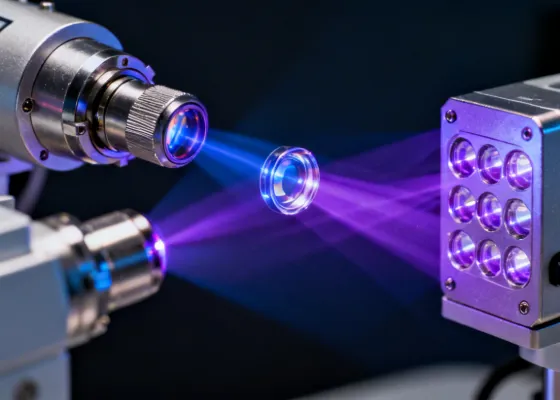
Candela laser technology and optical components

Our Wavelength Portfolio

Candela develops and manufactures its own laser sources, giving us complete control over beam quality, pulse characteristics, and energy delivery. Each wavelength is selected for specific clinical targets in the skin.

755nm Alexandrite

Alexandrite Laser

The 755nm Alexandrite wavelength has a strong affinity for melanin, making it highly effective for hair removal and pigmented lesion treatment in lighter skin types (Fitzpatrick I-IV). Candela's proprietary Alexandrite crystal delivers consistent, reproducible energy output pulse after pulse.

Clinical Applications

  • Permanent hair reduction (skin types I-IV)
  • Pigmented lesions (lentigines, cafe-au-lait)
  • Tattoo removal (dark inks, in combination)

Available On

1064nm Nd:YAG

Nd:YAG Laser

The 1064nm Nd:YAG wavelength penetrates deeper into the skin and has lower melanin absorption compared to shorter wavelengths. This makes it the safer choice for treating darker skin types (Fitzpatrick IV-VI) where the risk of epidermal damage is higher. It also reaches deeper vascular targets.

Clinical Applications

  • Hair removal for darker skin types (IV-VI)
  • Leg veins and deeper vascular lesions
  • Skin tightening and rejuvenation

Available On

595nm Pulsed Dye

Pulsed Dye Laser

The 595nm pulsed dye wavelength targets oxyhemoglobin in blood vessels with high selectivity, making it the clinical standard for vascular lesion treatment. Candela pioneered this technology in 1986, and our current VBeam Perfecta represents the most refined version of this platform.

Clinical Applications

  • Rosacea and facial redness
  • Port wine stains and hemangiomas
  • Spider veins and telangiectasia

Available On

Pico Picosecond

Picosecond Technology

PicoWay delivers ultra-short pulses measured in picoseconds (trillionths of a second) rather than nanoseconds. These ultra-short pulses create a photoacoustic effect that shatters ink and pigment particles into much smaller fragments than thermal-based lasers, resulting in faster clearance with less collateral tissue heating.

Clinical Applications

  • Multi-color tattoo removal (532, 785, 1064nm)
  • Benign pigmented lesions
  • Non-ablative skin revitalization (Resolve)

Available On

CO2 10,600nm

Fractional CO2

The CO2 laser at 10,600nm is strongly absorbed by water in tissue, making it the gold standard for skin resurfacing. Candela's CO2RE system uses fractional technology to create microscopic treatment zones surrounded by healthy tissue, promoting rapid healing while achieving significant improvement in skin quality.

Clinical Applications

  • Skin resurfacing and wrinkle reduction
  • Acne scar treatment
  • Surgical applications

Available On

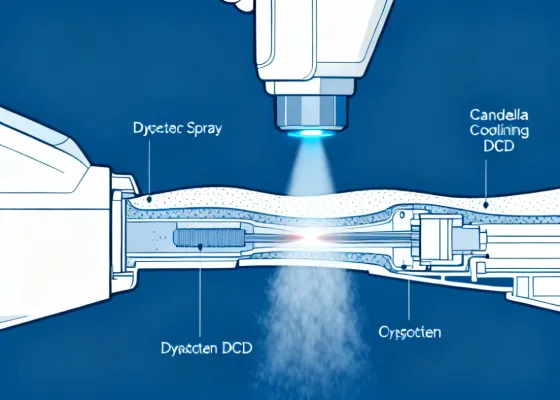
Candela Dynamic Cooling Device technology illustration
Patented Technology

Dynamic Cooling Device (DCD)

The Dynamic Cooling Device is one of Candela's most important innovations, and it's a key reason why practitioners and patients prefer our systems. Here's how it works:

1

Pre-Cooling Spray

Milliseconds before the laser fires, DCD delivers a precisely timed burst of cryogen (tetrafluoroethane) onto the skin surface. The spray duration is adjustable from 0 to 100 milliseconds.

2

Selective Epidermal Cooling

The cryogen rapidly cools the top 200-300 micrometers of skin (the epidermis) without affecting the temperature of deeper structures. This protects melanin-rich epidermal cells from thermal damage.

3

Laser Pulse Delivery

The laser pulse is delivered to the target chromophore (melanin, hemoglobin, or ink) through the cooled epidermis. Because the surface is protected, practitioners can safely use higher fluences for better clinical outcomes.

Clinical Impact

  • Measurably improved patient comfort during treatment (clinical studies report 40-60% reduction in patient-reported pain scores)
  • Higher fluences possible for better efficacy
  • Reduced risk of epidermal thermal damage
  • Particularly beneficial for darker skin types
  • No contact with skin — maintains sterile field

Clinical Evidence You Can Trust

Candela technologies are backed by extensive peer-reviewed research. Our commitment to evidence-based medicine means we invest in rigorous clinical studies — not just marketing claims.

200+ Peer-Reviewed Publications

Candela systems are referenced in over 200 published clinical studies in dermatology, plastic surgery, and aesthetic medicine journals.

40+ FDA-Cleared Indications

Across our platform portfolio, Candela systems hold FDA clearance for over 40 clinical indications — one of the broadest portfolios in the aesthetic laser industry.

55 Years of Laser R&D

Since 1970, Candela has maintained a dedicated research and development program focused on translating laser physics into practical clinical tools.

Laser Technology Comparison: Choosing the Right Platform

Different laser technologies have distinct strengths and trade-offs. This comparison helps practitioners evaluate which approach fits their clinical priorities, patient demographics, and budget.

Parameter Alexandrite (755nm) Nd:YAG (1064nm) Pulsed Dye (595nm) Picosecond Fractional CO2 (10,600nm)
Primary Target Melanin (superficial) Melanin (deep) + hemoglobin Oxyhemoglobin in vessels Ink particles + melanin Water in tissue
Skin Types Fitzpatrick I-IV Fitzpatrick I-VI Fitzpatrick I-IV Fitzpatrick I-VI Fitzpatrick I-IV (caution V-VI)
Penetration Depth 2-3mm 4-6mm 1-2mm Varies by wavelength Surface to 1mm (fractional)
Pulse Duration 0.25-100ms 0.25-100ms 0.45-40ms 300-450 picoseconds Continuous/pulsed
Typical Downtime Minimal (0-2 days) Minimal (0-2 days) Mild erythema (1-3 days) Minimal (0-3 days) Moderate (5-14 days)
Sessions Needed 6-8 for hair removal 8-12 for hair removal 3-6 for vascular 4-10 for tattoo removal 1-3 for resurfacing
Key Advantage Fastest hair removal for lighter skin; high melanin selectivity Safest option for darker skin; deeper penetration Highest vascular selectivity; reduced purpura with Micropulse Multi-color ink clearance; less thermal damage Deepest skin remodeling; ablative + non-ablative modes
Key Limitation Risk of burns on Fitzpatrick V-VI; less effective on fine/light hair More sessions needed vs. Alexandrite for lighter skin; higher fluence required Limited to superficial vascular targets; may cause purpura at higher settings Higher equipment cost; multiple sessions still required Extended downtime; infection risk; not suitable for darker skin without caution
Candela Platform GentleMax Pro Plus, GentleLase Pro GentleMax Pro Plus, Nordlys VBeam Perfecta PicoWay CO2RE

Important Considerations When Choosing a Laser Platform

No single laser technology addresses every clinical need. The right choice depends on your practice's patient demographics, treatment menu goals, and budget. Here are some honest trade-offs to consider:

Alexandrite vs. Nd:YAG for Hair Removal

The 755nm Alexandrite laser achieves faster clearance with fewer sessions for Fitzpatrick I-III patients due to stronger melanin absorption. However, this same selectivity makes it unsuitable for Fitzpatrick V-VI skin, where the 1064nm Nd:YAG is safer but typically requires 2-4 additional sessions. Dual-wavelength systems like GentleMax Pro Plus address this by combining both, though at a higher investment than single-wavelength alternatives. Practices serving predominantly lighter-skinned populations may find a dedicated Alexandrite system more cost-effective.

Picosecond vs. Q-Switched Nanosecond for Tattoo Removal

Picosecond lasers like PicoWay fragment ink into smaller particles than nanosecond Q-switched systems, generally requiring fewer sessions (4-8 vs. 8-15) for full clearance. However, picosecond systems carry a higher acquisition cost, and for simple single-color black tattoos, the clinical advantage over a quality Q-switched Nd:YAG may be marginal. The picosecond advantage becomes most apparent with multicolor tattoos (blues, greens, purples) and recalcitrant ink — areas where older technology often plateaus.

CO2 Fractional vs. Non-Ablative Rejuvenation

Fractional CO2 resurfacing (CO2RE) delivers the most dramatic skin quality improvement in 1-3 sessions, but requires 5-14 days of social downtime and carries risks including prolonged erythema, infection, and post-inflammatory hyperpigmentation — particularly in Fitzpatrick IV+ patients. Non-ablative options like PicoWay Resolve offer zero downtime but require more sessions (4-6) for subtler improvement. Many practices find that offering both allows them to match the treatment to each patient's lifestyle and risk tolerance.

Single-Platform vs. Multi-Platform Investment

A versatile platform like the Nordlys (40+ indications) or GentleMax Pro Plus (dual wavelength) can serve a broad range of patients from a single capital investment. However, dedicated systems — like VBeam Perfecta for vascular work or PicoWay for tattoo removal — deliver superior results within their specialty. High-volume practices often start with one versatile platform and add specialty systems as patient demand and revenue justify the investment. We recommend speaking with our clinical consultants to model the ROI for your specific case mix.

How We Validate Our Technology

Every Candela system undergoes rigorous testing before it reaches your clinic. Here's a transparent look at our validation process and how you can verify results for yourself.

1

Bench Testing

Each laser source is tested for energy output consistency, beam profile (measured at M2 < 1.2 for single-mode systems), pulse stability (±5% energy variance over 10,000 consecutive pulses), and thermal management under sustained operation at maximum rated parameters for 8+ hours.

2

Preclinical Studies

Before clinical trials, systems are tested on calibrated tissue phantoms and ex-vivo tissue samples to establish safe energy parameters, thermal relaxation profiles, and dose-response relationships for each target chromophore. These studies define the treatment windows used in clinical protocols.

3

Clinical Trials

FDA clearance requires controlled clinical trials with defined patient populations, standardized treatment protocols, independent photography assessment (typically using the GAIS scale), and statistical analysis of efficacy and adverse events. Trial data is submitted to FDA's Center for Devices and Radiological Health (CDRH).

4

Your Own Verification

We invite practitioners to verify results firsthand. Candela offers complimentary material and skin testing sessions at our regional demo centers, where our application engineers walk you through treatment protocols on volunteer subjects using your preferred parameters. Contact us to schedule a hands-on evaluation.

Want to See the Technology in Action?

The most effective way to evaluate what Candela systems can do is to see them working firsthand. We can arrange a personalized demonstration at your facility or at one of our regional showrooms.